
Such maritime security threats include the usage of conventional military weapons like rockets, missiles, floating mines, limpet mines, etc. and unconventional measures like Waterborne Improvised Explosive Devices (WBIEDs), Remote Controlled WBIEDS (RC WBIEDS), Uncrewed Aerial Vehicles (UAVs) or drones and Uncrewed Surface Vehicles (USVs). The upsurge of conflict-related incidents involving attacks on ships in the Red Sea and Western Indian Ocean since Oct 2023 has been an alarming development. These threats pose significant risks to the global economy and the trade flowing through critical waterways. The commercial shipping fleet, International Shipping Lanes (ISLs) and energy supply chains have been particularly vulnerable to disruption caused by hybrid attacks.
Key Insight: Hybrid maritime security attacks declined in frequency in 2025 but increased in severity
The escalating challenges posed by hybrid maritime security threats are characterised by a combination of overt and covert military and non-military means. The analysis of incidents revealed that the overall frequency of attacks declined throughout 2025. However, the limited number of attacks that did occur were marked by heightened severity, as demonstrated by incidents involving MV Magic Seas and MV Eternity C, which highlighted the disproportionate impact and elevated risk associated with such targeted events.
Key Insight: Navigational confidence showed cautious improvement in 2025
While the gradual return of large container vessels to the Suez Canal later in the year signaled cautious improvement in navigational confidence, the overall threat landscape remained fluid. These developments reinforce the need for sustained multinational naval presence, enhanced situational awareness, proactive risk assessments, and strict adherence to best practices to mitigate the continuing risks posed by hybrid maritime threats.
Key Insight: Hybrid maritime security incidents fell sharply in 2025
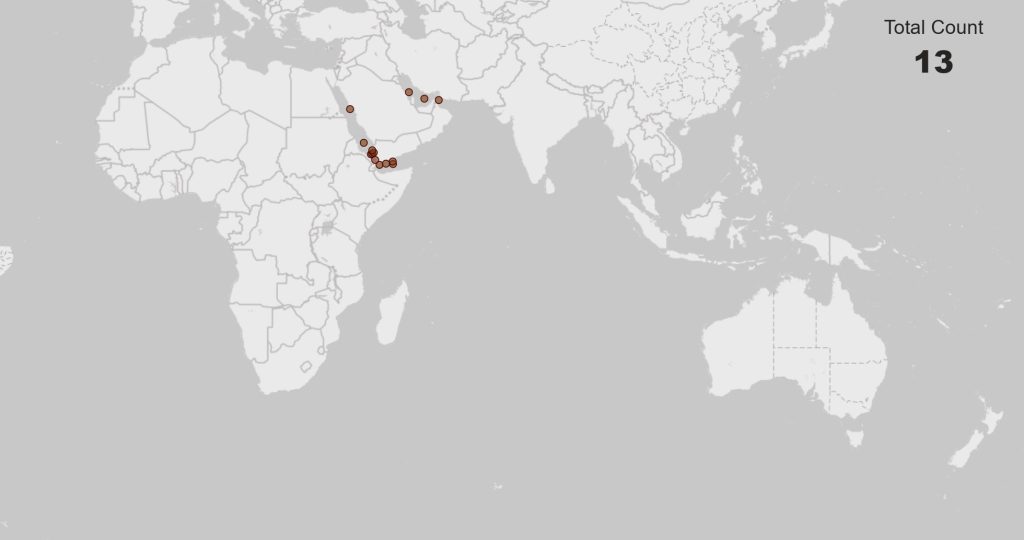
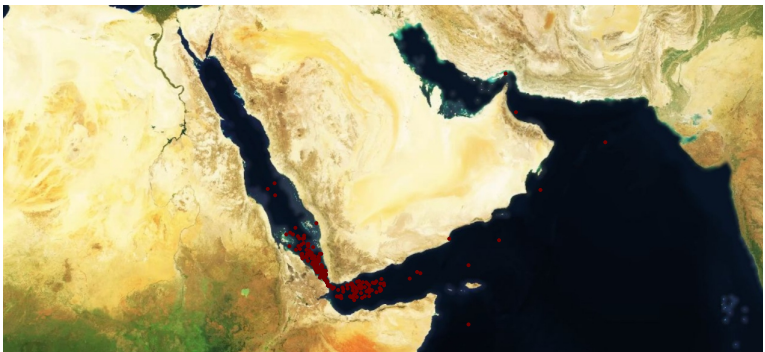
In 2025, the Centre recorded 13 hybrid Maritime Security Threat incidents, representing a sharp decline from the 273 incidents reported in 2024, with most occurrences concentrated in the Red Sea and the Gulf of Aden. Despite the reduced frequency, several high-profile attacks reflected an escalation in tactics, resulting in casualties, damage to commercial vessels, and heightened risks to seafarer safety. The spillover effects of these conflict-driven threats extended beyond the immediate area, disrupting global shipping routes, increasing freight and insurance costs, and contributing to navigational challenges such as GPS interference and increased “dark ship” activity. These conditions also indirectly created security gaps that enabled a limited resurgence of piracy off the coast of Somalia.

The Indian Ocean Naval Symposium (IONS) is a voluntary initiative that brings together the navies of the Indian Ocean littoral states. Through dialogue, co-operation, and shared understanding, IONS fosters regional maritime security and stability across one of the world’s most strategic oceanic regions.
© Indian Ocean Naval Symposium (IONS) 2026 – All Rights Reserved