
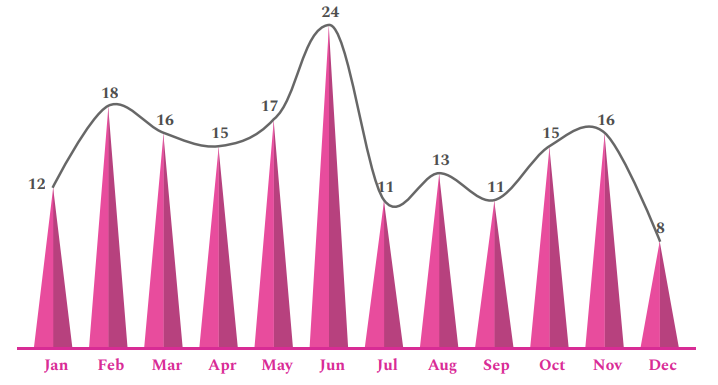
The high number of interceptions and boat seizures reflects the proactive enforcement efforts.
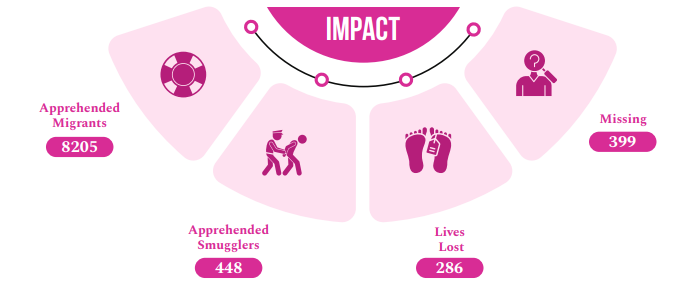
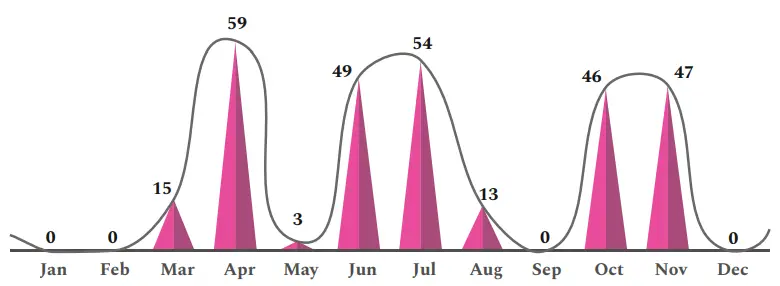
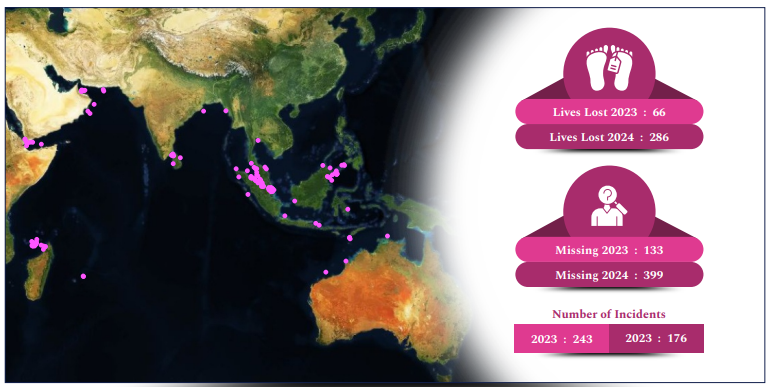
This increase in fatalities, despite a decrease in incidents, underscores the escalating dangers of these migration routes and highlights the urgent need for focused attention on this transnational issue.
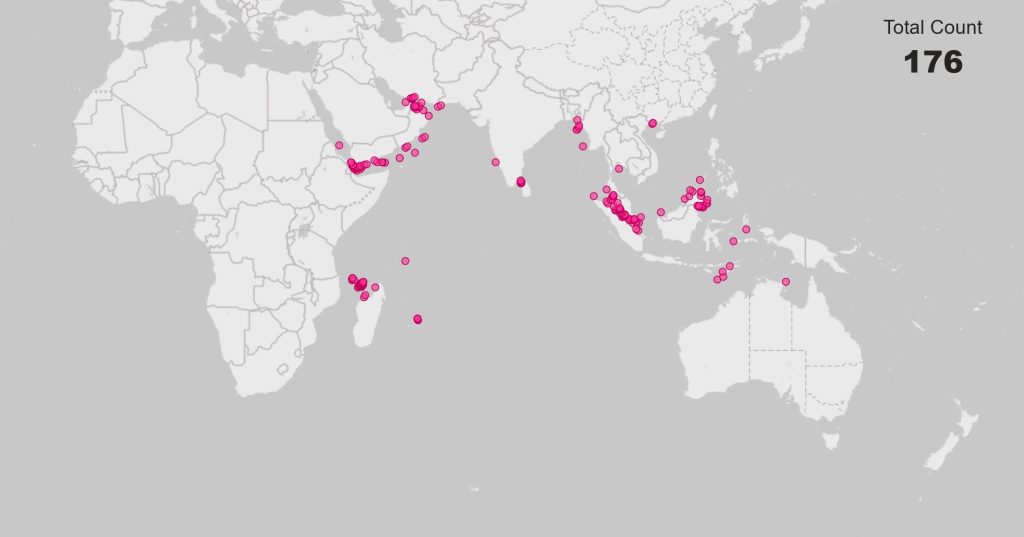
In 2024, IHM trends were monitored conforming with the previous patterns trends. Migration attempts from East African countries to Mayotte continue to remain high. Djibouti continued to serve as the most preferred transit point for Ethiopian and Somali migrants to reach the Middle East. The use of overcrowded and unseaworthy vessels in these incidents resulted in significant fatalities and missing persons.
Smuggling networks continue to remain active in the Straits of Malacca and surrounding waters, with Indonesia and Malaysia emerging as key destinations. South Asia continued to witness migration between Sri Lanka and India, which was primarily influenced by cultural and ancestral ties. Dangerous crossings in the Gulf of Aden have persisted, where migrants attempt to reach Gulf countries, only to face severe risks, including fatalities and forced returns.
Key Insight: Migrant fatalities increased significantly in 2025, highlighting the escalating human cost of IHM
Irregular Human Migration (IHM) incidents increased from 176 in 2024 to 200 in 2025, reflecting a continued and significant challenge in the Indian Ocean Region (IOR). During 2025, IHM incidents accounted for 1,228 migrant fatalities (582 deaths and 646 missing), representing a substantial rise compared to the previous year (286 deaths and 399 missing in 2024). A total of 8,486 migrants were rescued or intercepted, while 244 suspected smugglers and traffickers were apprehended. The year was marked by several mass-casualty events, notably the sinking of two overcrowded boats off Myanmar in May 2025 that resulted in 427 deaths and a major late-year incident off Langkawi in Nov 2025 with 28 confirmed fatalities and 258 migrants reported missing, underscoring the growing human toll of these trends.
Key Insight: Persistent migration drivers and high-risk sea routes sustained IHM activity in 2025
IHM continued to be driven by the persistent quest for a better life and security. Migrants undertook high-risk transits on overcrowded and unseaworthy small boats, often resulting in severe casualties during these perilous journeys. Mayotte and Indonesia remained major hotspots, together accounting for 89 of 200 incidents, underscoring sustained movement towards high-frequency destination points. A significant stowaway trend also emerged in Mauritius, with 22 stowaways handed over by transiting vessels, indicating evolving methods of irregular movement. West Asia experienced IHM incidents off Oman and Yemen, reflecting continued reliance on established maritime routes.
Key Insight: Smuggling networks demonstrated increasing sophistication and operational flexibility
The annual IHM trends in 2025 also highlighted methodologies employed for migration, including the use of social media platforms for mobilisation, movement on converted fishing vessels and stowaways onboard merchant vessels, all of which underscore the evolving tactics of smuggling networks.
The Indian Ocean Naval Symposium (IONS) is a voluntary initiative that brings together the navies of the Indian Ocean littoral states. Through dialogue, co-operation, and shared understanding, IONS fosters regional maritime security and stability across one of the world’s most strategic oceanic regions.
© Indian Ocean Naval Symposium (IONS) 2026 – All Rights Reserved